
Menu
Walkway Repair Tips for Bridgeport’s Settlement-Prone Areas
Concrete Walkway Bridgeport
Bridgeport’s unique geographic location and soil conditions create specific challenges for concrete walkway maintenance throughout the city. From coastal areas near Long Island Sound to inland neighborhoods around the University of Bridgeport campus, properties face clay-rich soils, seasonal freeze-thaw cycles, and varying drainage conditions that contribute to walkway settlement and damage. Understanding these local factors and implementing appropriate repair strategies helps property owners maintain safe, attractive walkways while addressing the root causes of common problems.
Understanding Bridgeport’s Settlement-Prone Conditions
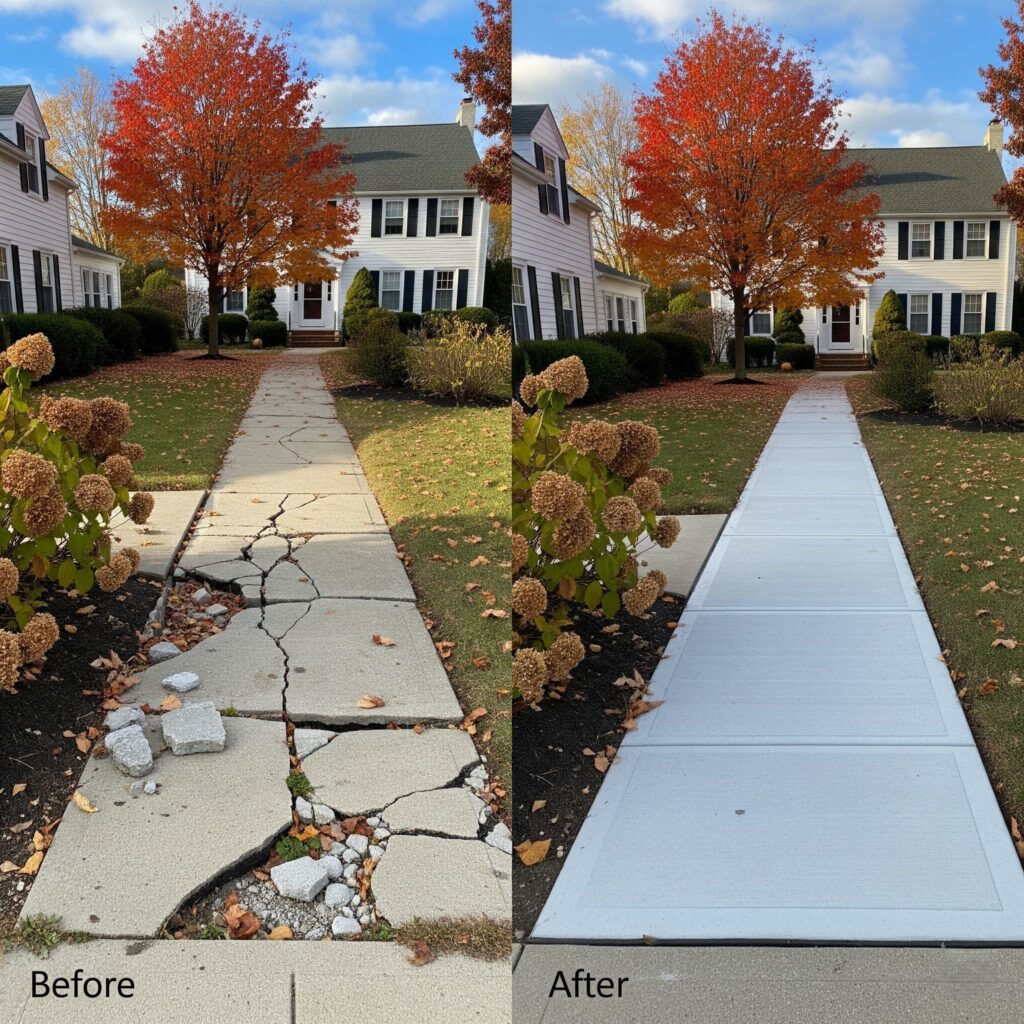
The location of Bridgeport creates a combination of environmental conditions that will continually present challenges with regard to walkway settlement. Bridgeport is located on the coast and has clay and loamy soils, which, along with the temperature fluctuations associated with being a coastal area, create an environment that is conducive to continuous stress on concrete walkways due to expansive soils.
Challenges Associated with Clay Soils
Connecticut’s soils are clay-rich and will swell significantly when wet and contract when dry; this expansion-contraction cycle continues all year and presents the greatest risk in the spring, at which time the saturated soils begin to expand after having been frozen during the winter. Residents of neighborhoods such as Black Rock, East End, and those who live near Beardsley Park are familiar with the expansive nature of their clay soils and the resulting movement of their concrete walkways.
Impact of Freeze-Thaw Cycles
When water freezes, it expands approximately 9%, creating significant pressure within the concrete and soil. Connecticut experiences multiple freeze-thaw cycles each year, and because of the temperature fluctuations above and below freezing that occur during the winter and early spring months, this constant expansion and contraction causes weakening of concrete structures and increases settlement in those areas of vulnerability.
Common Causes of Settlement in Bridgeport
Once a homeowner identifies the underlying reasons for the settlement of their walkway, they can take steps to implement an effective solution for the repair of their walkway.
Causes of Settlement Due to Excess Water
Excess water is the primary reason for the settlement of concrete walkways in Bridgeport. Poor drainage around the foundation of your home, clogged gutters, leaky irrigation lines, and/or natural groundwater accumulation under the walkway slab all lead to erosion of the soil beneath the walkway slab. Those living in areas adjacent to bodies of water (such as Marina Village or Steel Point) have increased difficulties with water tables and moisture from the ocean.
Instability of the Soil
Soil that was inadequately compacted upon initial installation of the walkway will continue to settle over time as the soil naturally compacts. Trees growing near walkways can displace the soil and create uneven support for the walkway slab. As organic matter decomposes in the soil, voids will form, allowing the concrete to settle further. In established neighborhoods with mature landscaping, there is a greater need to pay attention to tree roots causing settlement of the walkway.
Methods for Professional Repair of Settled Walkways
Various modern repair methods can be used to repair a settled walkway without replacing the entire walkway in most instances. Familiarity with these professional methods allows a homeowner to make an educated decision regarding the method of repair that best suits their needs.
Polyurethane Foam Lift System
Polyurethane foam injection systems provide long-lasting and accurate solutions for settled concrete walkways. A small hole (or holes) is drilled into the affected area, and polyurethane foam is injected to fill the void(s) that created the settlement of the walkway. Once the foam has cured, it can be walked on immediately. The foam also provides greater bearing strength than the traditional methods of repair.
Soil Stabilization Methods
Professionals utilize specialized injection methods to stabilize the soil in order to prevent further settlement of the walkway. Soil stabilization is beneficial in Bridgeport’s clay soils as it reduces water infiltration and provides continued support to the concrete slab. When coupled with improved drainage systems, soil stabilization provides a holistic approach to maintaining the stability of the walkway over time.
Strategies for Improving Drainage
An effective drainage strategy is crucial for preventing future settlement of the walkway. An effective drainage strategy protects the investment in the repair and will prevent recurring problems throughout the state’s harsh climate.
Surface Water Management
The proper grading of a surface will direct water away from the walkway, thereby preventing the saturation of the soil that leads to settlement. Installing or repairing gutters, downspouts, and drainage systems will ensure that water is removed from the foundation area. Extending downspouts away from the walkway and ensuring that water flows away from the structure are two examples of how homeowners in Bridgeport can improve drainage to prevent future settlement.
Sub-Surface Drainage Solutions
A French drain, drainage tile, or other sub-surface drainage system will resolve problems with groundwater that contribute to unstable soil. Sub-surface drainage systems are especially beneficial in areas with high water tables and/or excessive moisture. Properly installed sub-surface drainage systems will provide the correct grade and materials required to meet the demands of the soils and climate in Connecticut.
Approaches to Preventive Maintenance
Preventive maintenance, whether it is routine inspection or regular upkeep, will assist homeowners in identifying potential settlement issues prior to them becoming major problems. A preventative approach will minimize long-term repair costs and maintain the integrity of the walkway throughout the changing seasons.
Seasonal Inspection Protocols
Inspections after the spring freeze-thaw cycles will allow you to identify new settlement or damage that requires attention. Inspect your walkways for elevation changes, new cracks, and areas where water collects during heavy rainfall. Homeowners in Bridgeport should inspect their walkways monthly during the spring when settlement issues commonly develop.
Sealing Joints
Maintaining the joints in the walkway will prevent water from infiltrating the concrete and contributing to settlement and freeze-thaw damage. Use flexible, weather-resistant sealants specifically designed for the climate in Connecticut. Routine joint maintenance will extend the life of the walkway and prevent what would otherwise be minor issues from becoming costly repair projects.
Repair Timing
The climate in Connecticut presents specific timing windows for the most effective walkway repairs. Understanding these seasonal constraints will ensure that your repairs are successful and able to withstand the local climate conditions.
Best Times for Repairs
The late spring to early fall is the preferred time for performing most walkway repairs in Connecticut. During this time, the soil moisture levels are stabilized after the spring thaw, and the temperatures remain above freezing for proper curing. It is recommended that you avoid making repairs during times of high soil moisture or during the next few weeks after the repair, during which time the potential for another freeze-thaw cycle exists.
Emergency Repair Considerations
Regardless of the season, safety hazards necessitate prompt action. Using temporary fixes such as grinding high spots or placing warning signs will provide an interim solution to address safety hazards until more comprehensive repairs can be made to accommodate optimal weather conditions. Any emergency repairs should include a plan for completing a permanent solution during a more favorable time of the year.
Cost-Effective Repair Strategies
Knowledge of the various repair options and their respective costs enables property owners to make informed decisions that strike a balance between immediate needs and long-term values. There are a variety of ways to repair walkways, depending on the condition of the walkway and the budget.
Leveling Concrete vs. Replacing Concrete
For structurally sound walkways, leveling concrete is much less expensive than total replacement and produces similar results. Leveling addresses both the settlement of the concrete and the underlying soil issues when done correctly. Total replacement of the walkway is generally only necessary when the walkway is severely damaged, has extensive cracking, or is structurally unsound.
Phased Repair Approaches
Repairs to large walkway systems can be completed in stages to allow for the distribution of costs over time and to address the highest priority safety issues first. For example, prioritize high-traffic areas, large elevation changes, and areas near building entrances. Phase-by-phase repairs enable monitoring of the success of the repairs prior to continuing with subsequent sections.
DIY vs. Professional
There are some walkway maintenance activities that are suitable for DIY; however, most settlement repairs are better suited to professional repair and require professional equipment.
DIY Appropriate Activities
Simple cleaning, sealing of joints, and minor crack repair can be accomplished by a knowledgeable homeowner using the appropriate products. Minor grading corrections to promote positive drainage away from the walkway and simple gutter cleaning are also acceptable DIY activities. Grinding of slight elevation discrepancies may also be a feasible DIY activity if the homeowner rents the appropriate equipment.
Professional Requirements
Settlement lift, major crack repair, and soil stabilization all require professional equipment and expertise. Polyurethane injection systems, structural assessments, and drainage system installations all exceed typical DIY capabilities. Professionals also provide warranty and liability protection to protect property owners against potential problems.
Bridgeport Local Ordinances & Permits
Sidewalk repair programs, ordinances, and regulations in Bridgeport impact the responsibility of property owners and provide possible assistance. Familiarity with these regulations will facilitate compliance and possible cost savings.
City Sidewalk Repair Programs
Bridgeport’s Sidewalk Repair Program offers co-funding possibilities for eligible property owners whereby the City of Bridgeport contributes 50% or more of the cost of repair. Property owners may identify potential repair needs by contacting the program and expressing their desire to participate, and indicating their primary residence status. This program will help alleviate the financial burden associated with sidewalk repairs, enhance neighborhood aesthetics, and improve safety.
Permit Requirements
Most walkway repairs will require permits when modifying the public right-of-way or structurally altering the walkway. Please contact the Building Department in Bridgeport to determine if any permits are required prior to commencing repairs. Permitting facilitates assurance that repairs are properly completed and meet the accessibility standards of the City of Bridgeport.
Sustainable Solutions for Long-Term Prevention of Settlement
Approaching settlements comprehensively includes addressing the immediate repair needs and establishing long-term prevention strategies. Understanding these concepts will assist homeowners in implementing sustainable solutions for the problematic soils and climate conditions found in Bridgeport.
Landscaping
Proper landscaping can assist in stabilizing the walkway through careful selection and placement of vegetation. Carefully select vegetation that will aid in managing soil moisture without creating intrusive root problems. Planting native vegetation that is well-suited to the climate in Connecticut will optimize performance with minimum maintenance.
Monitoring Systems
Ongoing monitoring will assist homeowners in identifying emerging settlement problems prior to them becoming costly repairs. Establish baseline measurements for the elevation of your walkway and monitor any changes over time. Photographing the walkway conditions will provide documentation of the settlement pattern and assist in establishing a maintenance schedule.
Expertise and Professional Experience Needed to Implement Sustainable Concrete Materials
At Bridgeport Concrete Solutions, we understand the unique challenges that exist with concrete walkways throughout the diverse neighborhoods of Bridgeport and the varied soils and environmental conditions that exist in this area. Our knowledge of the environmental factors in Connecticut that affect concrete walkways (clay soils, freeze-thaw cycles, etc.) and our ability to provide effective repair strategies to address both immediate safety concerns and long-term stability concerns for the walkways of homeowners in Bridgeport will enable us to assist you in maintaining safe, aesthetically pleasing walkways that will endure the extreme climate and soil conditions in Connecticut for years to come. Our goal is to provide homeowners with reliable and quality workmanship and a thorough understanding of the environmental challenges that exist in Bridgeport.
LATEST POSTS
Eco-Friendly Commercial Concrete Materials Popular in Bridgeport
October 2, 2025
No Comments
Decorative Concrete for Foundation Aesthetics in Bridgeport
September 30, 2025
No Comments