
Menu
Permits and Codes When Pouring Concrete in Bridgeport
Pouring Concrete Bridgeport
Navigating the permit requirements for concrete projects in Bridgeport, Connecticut requires understanding both state building codes and local ordinances. Whether you’re planning a residential foundation, driveway extension, or commercial concrete installation, proper permits ensure your project meets safety standards and avoids costly violations.
Understanding Requirements of the Connecticut State Building Code
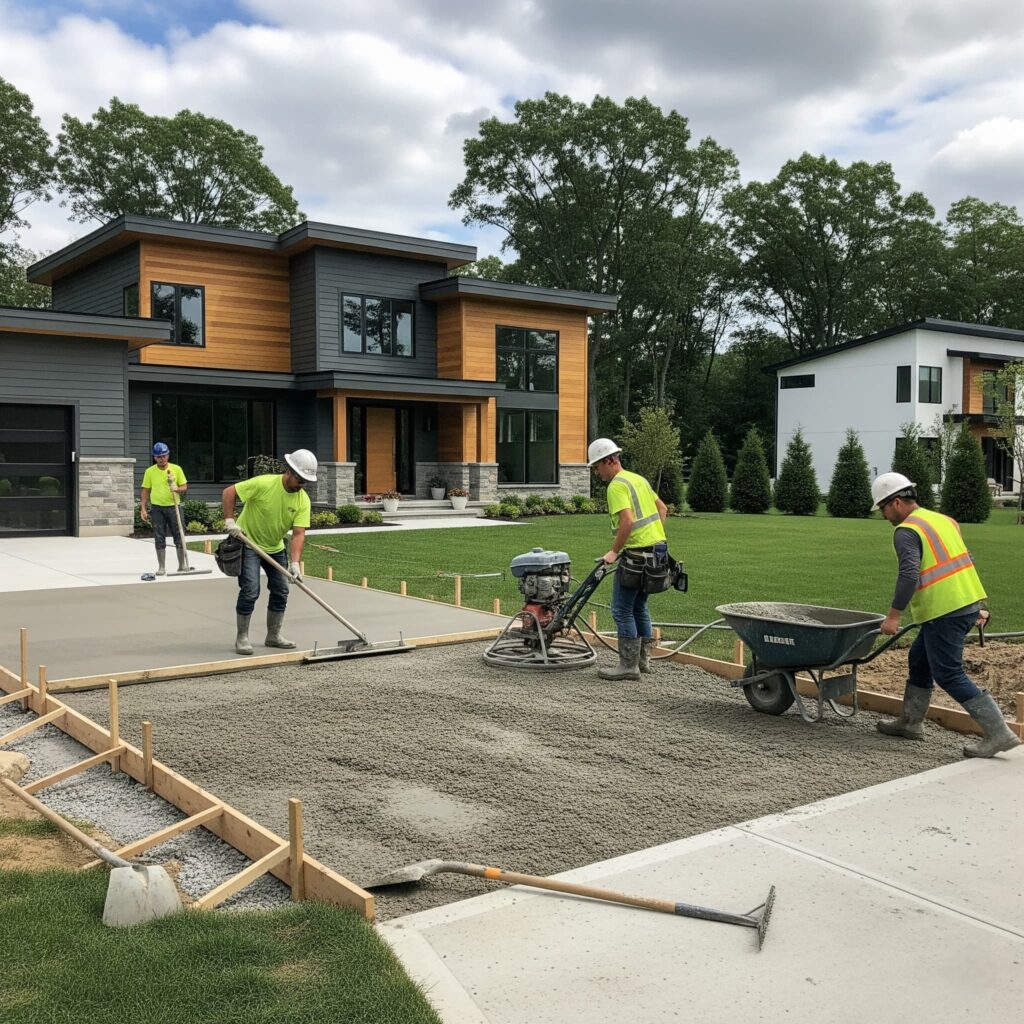
The 2022 Connecticut State Building Code is the basis of all construction permits in Bridgeport. As such, for structural applications (like foundations and slabs), contractors must follow specific thickness and reinforcement rules for pouring concrete. The minimum thickness for concrete floor slabs on grade is 3½ inches (89mm). Most residential projects will see greater benefits in durability by using a greater pour thickness.
Professional oversight is also mandated by the State for foundation work involving concrete. An architect and/or engineer’s seal and signature on all plans, as per State Building Code 2022, Section 107.1, ensures structural integrity meets engineering standards. Professional oversight is specifically required for basement foundations, retaining walls over 3 feet high, and all load-bearing concrete elements.
When Do I Need a Building Permit for My Concrete Project?
Most concrete construction projects in Bridgeport need a building permit. A building permit is needed to enlarge, alter, repair, move, demolish, change a lot line, change the occupancy of an existing building or structure, or build a new building or structure. That means a building permit would be needed for most concrete foundations, structural slabs, and commercial concrete installations.
However, many residential concrete projects do not need a building permit. Sidewalks, driveways, and on-grade concrete or masonry patios up to 30 inches (762mm) above the surrounding grade and without railings, and which are not part of an accessible path, usually do not need a building permit. Other department approvals may still be required.
Using Park City Portal for Permit Applications
The City of Bridgeport has made it easier to get a building permit through its Park City Portal. Building permit application process: create an account on the Park City Portal and apply for a building permit. Authorized agents or property owners can submit applications; however, the provisions of the Connecticut General Statutes Section 20-338b must be complied with when contractors apply on behalf of property owners.
Before issuing a building permit, applicants must confirm that their property taxes are current. Per City Ordinance 15.08.020, no permits can be issued by the Building Department if there are delinquent property taxes and/or WPCA sewer user fees. This requirement applies to all concrete construction projects that require a permit.
Sidewalk and Driveway Concrete Rules
Specialized permits are needed for public right-of-way concrete projects and are obtained through Bridgeport’s Licensing & Permits Department. Only licensed and bonded contractors with the City of Bridgeport can apply for a sidewalk, curb, and driveway-apron permit. There are strict material specifications for driveway-aprons that must be poured with Class C concrete to provide long-term durability and good drainage.
The fee for a sidewalk, curb, and driveway-apron permit is $150. Contractors working on these types of projects will need to interact with multiple city departments and will need to schedule pre-inspection and post-inspection reviews with the Permits Department.
Traffic Management Plans for Concrete Projects in Public Areas
You will need to develop comprehensive traffic management plans for your concrete projects located in public areas. You will need to contact the Overtime Police Office to arrange for police officers for traffic control. You will need to hire certified flaggers when calling the Overtime Office, and they have no officers available for the work.
These traffic-control measures will help protect both your employees and the public while working on your concrete projects.
Specifications for Foundations and Structural Concrete
Residential foundations must be constructed in accordance with the Connecticut building code. Foundation requirements for Group R-3 occupancies (one- and two-family dwellings) vary by seismic zone but must include proper reinforcement and sufficient thickness. The Code does allow some variation for smaller residential projects, while maintaining the level of safety expected by the Code.
All structural concrete work requires the supervision of a registered engineer, particularly for commercial applications. Special inspections and testing of concrete elements of buildings and structures, and concreting operations, shall be as required by Chapter 17. These special inspections and tests ensure quality control throughout the entire process of mixing and placing the concrete.
Bridgeport’s Concrete Heritage
Bridgeport’s rich history of quality concrete construction is evident throughout the city, from the seawalls protecting Seaside Park to the foundations of the historic Capitol Theater downtown. The city’s continued emphasis on producing quality concrete work is demonstrated by these long-standing structures that support the residents of Beardsley Park and throughout the South End neighborhood.
One example of the long-term quality that can be produced by adhering to the building codes and using quality materials is the Perry Memorial Arch at Seaside Park, which was completed in 1918. Designed by Henry Bacon (architect of the Lincoln Memorial), this landmark shows how building codes and quality materials can produce structures that support the community for generations.
Requirements for Compliance and Inspection
There are several inspection phases for successful concrete projects. Pre-pour inspections are conducted to confirm proper forms, reinforcement placement, and site preparation. Post-pour inspections are performed to confirm that the quality of the concrete meets the specifications and that the concrete is properly cured. These inspections protect the property owner and ensure the long-term structural integrity of the project.
Projects located in proximity to the waterfront areas, like those along Long Island Sound, may have additional environmental factors to consider. It is recommended that contractors review the drainage requirements and any environmental permits that may be required with the Engineering Department before commencing their project. This is especially important for properties located in the area of Black Rock Harbor and other sensitive areas.
Expertise and Professional Experience Needed to Implement Sustainable Concrete Materials
When planning your concrete project in Bridgeport, hiring experienced contractors who are familiar with the local building codes will assure a smooth permitting process and quality results. At Bridgeport Concrete Solutions, we are knowledgeable about the Connecticut building codes and the specific requirements of the City of Bridgeport. We are able to assist our customers with all aspects of the permitting process and ensure that their projects meet all regulatory requirements.
LATEST POSTS
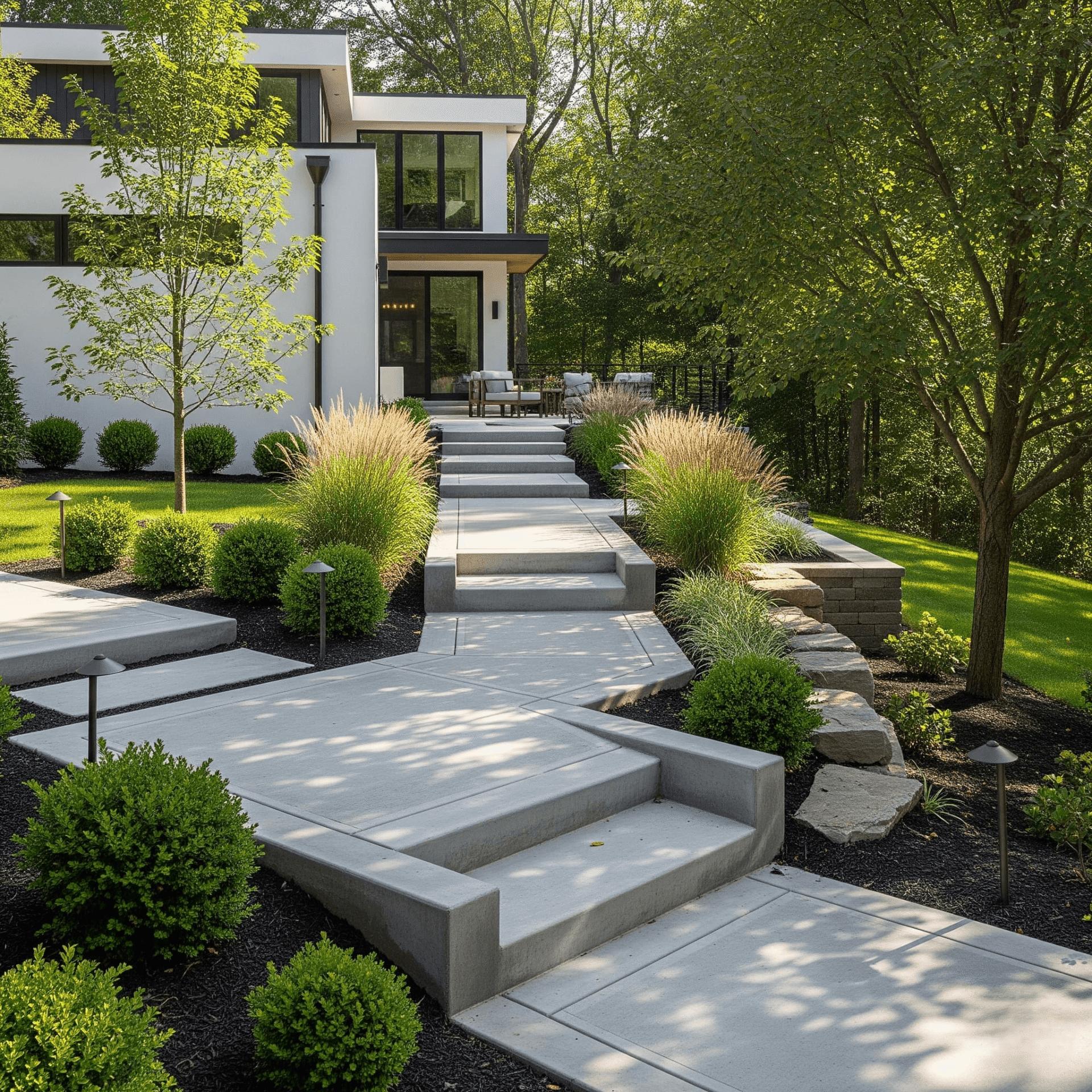
Eco-Friendly Commercial Concrete Materials Popular in Bridgeport
October 2, 2025
No Comments
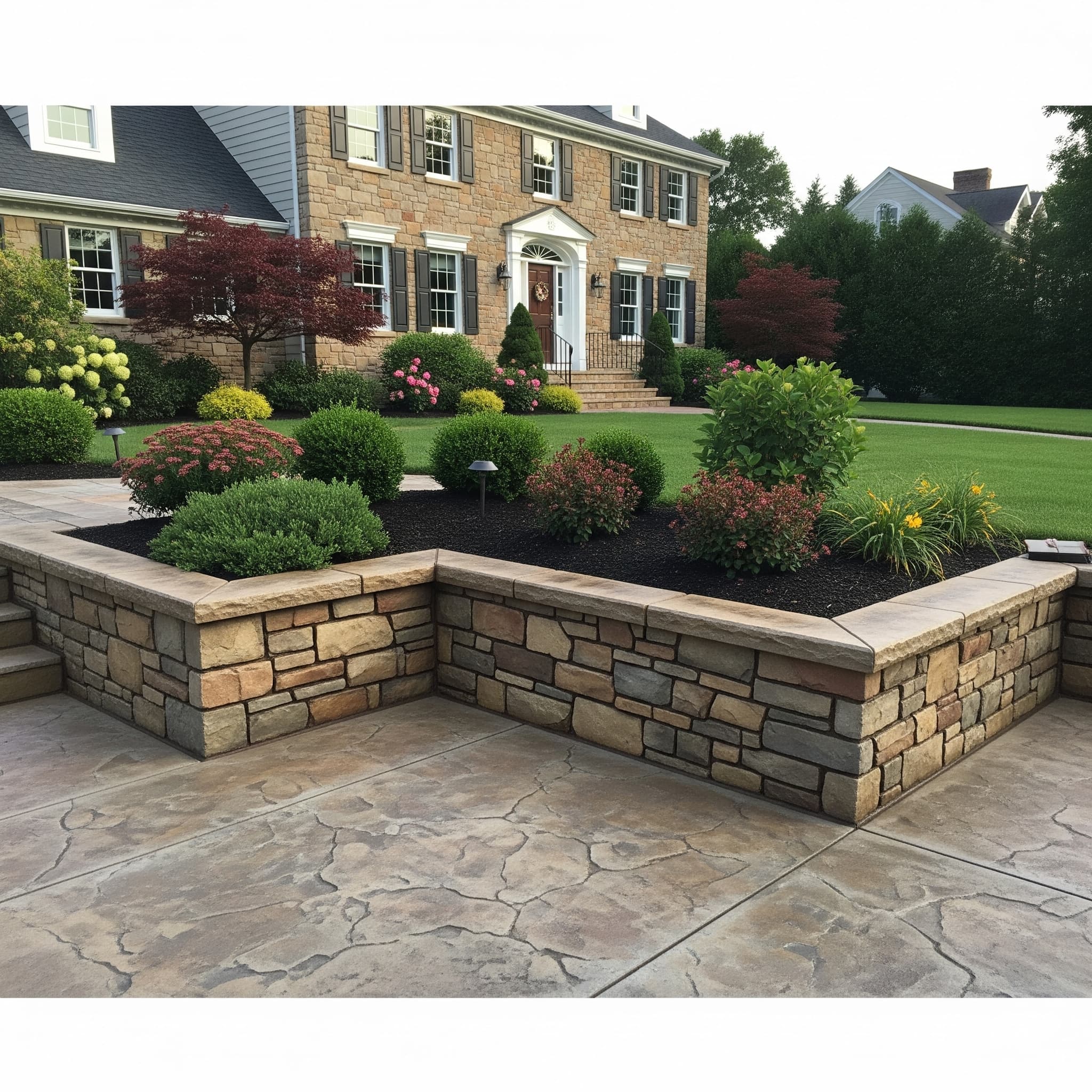
Decorative Concrete for Foundation Aesthetics in Bridgeport
September 30, 2025
No Comments